Category: Uncategorized

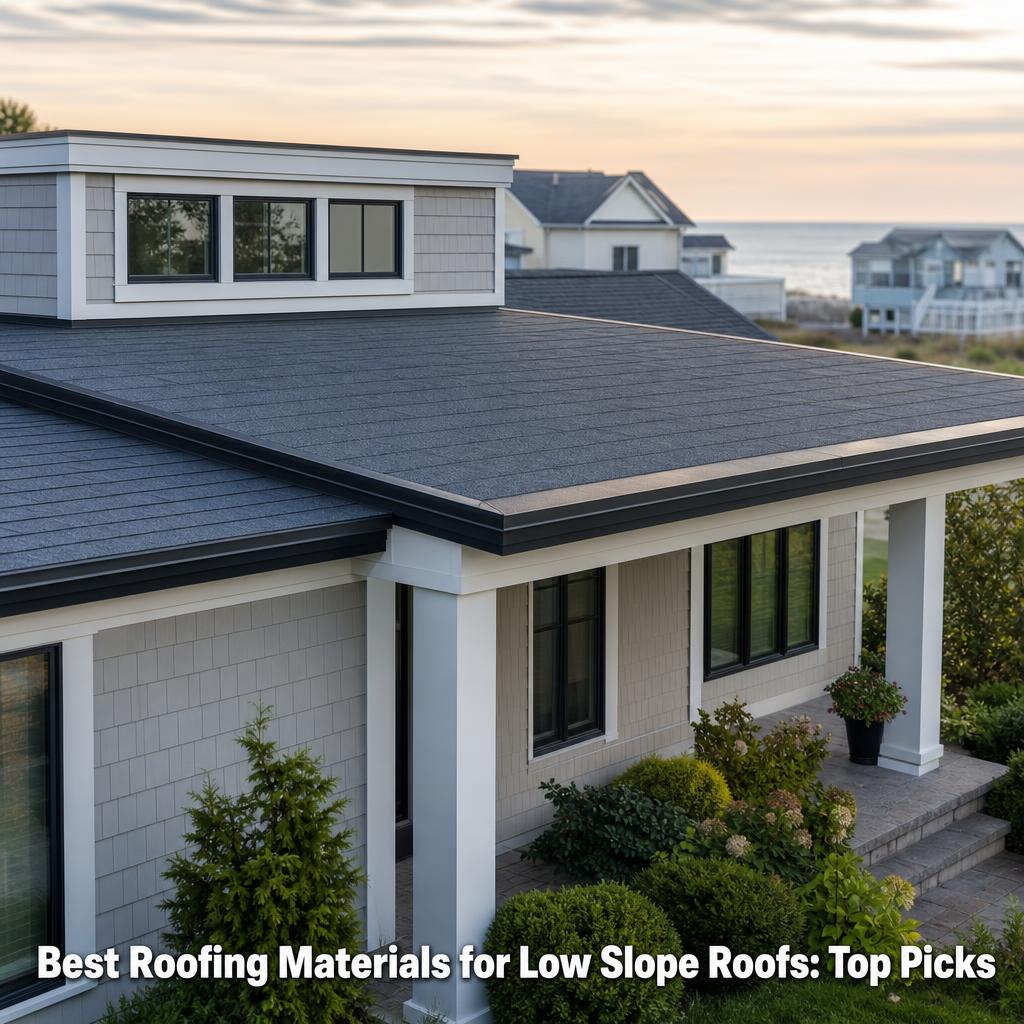
  • Best Roofing Materials for Low Slope Roofs: Top Picks

    Best Roofing Materials for Low Slope Roofs: Top Picks

    Choosing the right roofing material for a low slope roof is one of the most consequential decisions a homeowner or property manager can make. Unlike steep-pitch roofs that shed water quickly by gravity alone, low slope roofs demand materials engineered specifically for prolonged water contact, pooling resistance, and long-term waterproofing integrity. Get it wrong, and you’re looking at leaks, structural damage, and costly repairs far sooner than you should.

    The good news is that the roofing industry has developed a strong lineup of materials purpose-built for flat and low slope applications. From single-ply membranes to modified bitumen systems, each option brings a distinct set of trade-offs around durability, installation complexity, energy efficiency, and total cost of ownership. Understanding those trade-offs is what separates a smart investment from an expensive mistake.

    This guide walks you through every major roofing material suited for low slope applications, covering real-world performance, maintenance expectations, and practical buying advice. Whether you manage a commercial building or own a home with a low-pitch addition, you’ll leave with a clear picture of which material fits your situation best.

    Understanding Low Slope Roofs and Key Selection Criteria

    What Qualifies as a Low Slope Roof and Why It Matters

    A low slope roof is generally defined by its pitch ratio. Roofs with a slope between one-quarter inch and three inches of rise per twelve inches of run fall into this category. Anything below that threshold is typically classified as a flat roof, though true flat roofs are rare since some minimal slope is always built in for roof drainage purposes.

    The roof slope classification matters because it directly determines which roofing materials are appropriate. Standard asphalt shingles, for example, are designed for steeper pitches where water runs off before it can seep beneath overlapping layers. On a low slope roof, that same water lingers, and without a continuous waterproof membrane, it finds its way inside.

    Roof Slope Category Pitch Range Recommended Material Types
    Flat Roof Less than 1/4:12 BUR, EPDM, TPO, PVC
    Low Slope 1/4:12 to 3:12 Modified Bitumen, Single-Ply, Metal
    Conventional Slope 4:12 and above Asphalt Shingles, Tile, Wood

    Essential Performance Factors: Waterproofing, Durability, and Maintenance

    Waterproofing is the non-negotiable baseline for any low slope roofing material. Because water moves slowly across these surfaces, the membrane or system must form a continuous, seamless barrier. Even small gaps at seams, penetrations, or flashings can allow moisture intrusion that damages insulation, decking, and interior finishes.

    Roof durability on low slope systems is measured differently than on steep roofs. UV exposure, thermal cycling, foot traffic from maintenance workers, and standing water all accelerate wear. The best materials resist all four stressors simultaneously.

    Roof maintenance requirements vary significantly by material. Some systems need annual inspections and occasional recoating, while others are largely hands-off for years at a time. Factoring in maintenance frequency and cost is just as important as the upfront installation price.

    Climate, Building Type, and Budget Considerations

    Climate plays a major role in material selection. In hot, sunny regions, reflective roofing materials that support energy efficiency are worth the premium. In cold climates, flexibility at low temperatures matters because brittle membranes crack under freeze-thaw stress.

    Building type also shapes the decision. Commercial roofing applications often prioritize longevity and low maintenance over upfront cost, while residential additions or garages may favor entry-level options that still perform reliably. Roof insulation requirements also differ between commercial and residential codes.

    Budget considerations should always account for the full lifecycle, not just installation day. A premium material with a longer roof lifespan and minimal repair needs often costs less over twenty years than a cheaper system that requires frequent patching and early replacement.

    Top Roofing Materials for Low Slope Roofs: Features, Benefits, and Pricing

    Single-Ply Membranes (TPO, PVC, EPDM)

    Single-ply membranes are the dominant choice in both commercial roofing and residential low slope applications today. They come in three primary types, each with distinct chemistry and performance characteristics.

    TPO roofing (Thermoplastic Polyolefin) has become one of the most widely specified materials for low slope roofs. It offers strong heat-weldable seams, good UV resistance, and a white reflective surface that supports energy efficiency goals. TPO is considered a mid-range option in terms of cost, sitting above EPDM but below PVC in most markets.

    PVC roofing shares many characteristics with TPO but adds superior chemical resistance, making it the preferred choice for restaurants, food processing facilities, or any building where grease-laden air contacts the roof surface. PVC membranes are typically the premium tier among single-ply options, reflecting their longer track record and stronger seam strength.

    EPDM roofing (Ethylene Propylene Diene Monomer) is a synthetic rubber membrane that has been used on low slope and flat roofs for decades. It’s highly flexible, performs well in cold climates, and is generally the entry-level option among single-ply membranes. EPDM is available in black or white, with white versions offering better solar reflectance.

    • TPO: Best for energy-conscious buildings in warm climates
    • PVC: Best for chemical exposure environments and premium longevity
    • EPDM: Best for cold climates and budget-conscious projects
    • All three require professional roof installation for proper seaming
    • Roof warranty terms vary significantly by manufacturer and installer

    Modified Bitumen Roofing Systems

    Modified bitumen is an asphalt-based roofing material reinforced with polymer modifiers, typically APP (Atactic Polypropylene) or SBS (Styrene-Butadiene-Styrene). It bridges the gap between traditional built-up roofing and modern single-ply membranes, offering a familiar material with improved flexibility and performance.

    APP-modified bitumen is applied using a torch to heat and bond the material to the substrate. SBS-modified bitumen can be cold-applied with adhesive or self-adhered, making it a safer option in situations where open flame is restricted. Both types create a durable, multi-layer waterproofing system well-suited to low slope roofs.

    Modified bitumen is a strong performer in residential low slope applications, particularly on home additions, porches, and low-pitch garage roofs. It’s also widely used in commercial roofing as a base sheet or cap sheet in multi-ply assemblies. Roof durability is solid, and the granulated surface cap sheets provide UV protection without additional coatings.

    Built-Up Roofing (BUR)

    Built-up roofing, commonly called BUR or a tar-and-gravel roof, is one of the oldest and most proven systems for flat and low slope applications. It consists of multiple alternating layers of bitumen and reinforcing felts, topped with a flood coat of bitumen and embedded gravel or a mineral cap sheet.

    The multi-layer construction gives BUR exceptional waterproofing redundancy. If one layer is compromised, the layers beneath continue to protect the structure. This makes BUR a particularly reliable choice for large commercial roofing projects where leak risk must be minimized.

    BUR systems are heavier than single-ply alternatives, which means the building structure must be able to support the added load. Roof installation requires specialized equipment and experienced crews, which can limit contractor availability in some markets. However, the long roof lifespan and proven track record make BUR a compelling option for the right application.

    Metal Roofing Options for Low Slope Applications

    Metal roofing is not just for steep-pitch applications. Standing seam metal panels, when properly designed with concealed fasteners and adequate seam height, can perform reliably on low slope roofs down to about one-quarter inch of rise per foot. The key is ensuring the panel profile and seam design are rated for the intended slope.

    Metal roofing offers exceptional roof durability, with lifespans that routinely exceed those of membrane systems. It’s also highly resistant to fire, wind, and impact, making it a strong choice in regions prone to severe weather. If you’re also evaluating materials for other parts of your home’s exterior, understanding how roofing materials perform in demanding environments like coastal climates can inform your overall approach to building envelope decisions.

    Metal roofing for low slope applications is typically a premium investment upfront. However, the combination of minimal roof maintenance, long roof lifespan, and strong energy efficiency performance through reflective coatings makes the total cost of ownership competitive over the long term.

    User Experience and Real-World Performance

    Installation Complexity and Contractor Availability

    Not all roofing materials are equally easy to install, and contractor availability varies by region. EPDM and modified bitumen are among the more accessible options, with a broad pool of trained installers in most markets. TPO and PVC require heat-welding equipment and trained operators, which can narrow your contractor options in smaller markets.

    BUR installation requires specialized kettles for heating bitumen and experienced crews familiar with multi-layer application sequences. Finding qualified BUR contractors is increasingly challenging as the industry has shifted toward single-ply membranes. Metal roofing installation for low slope applications requires fabricators and installers with specific experience in low-slope panel systems.
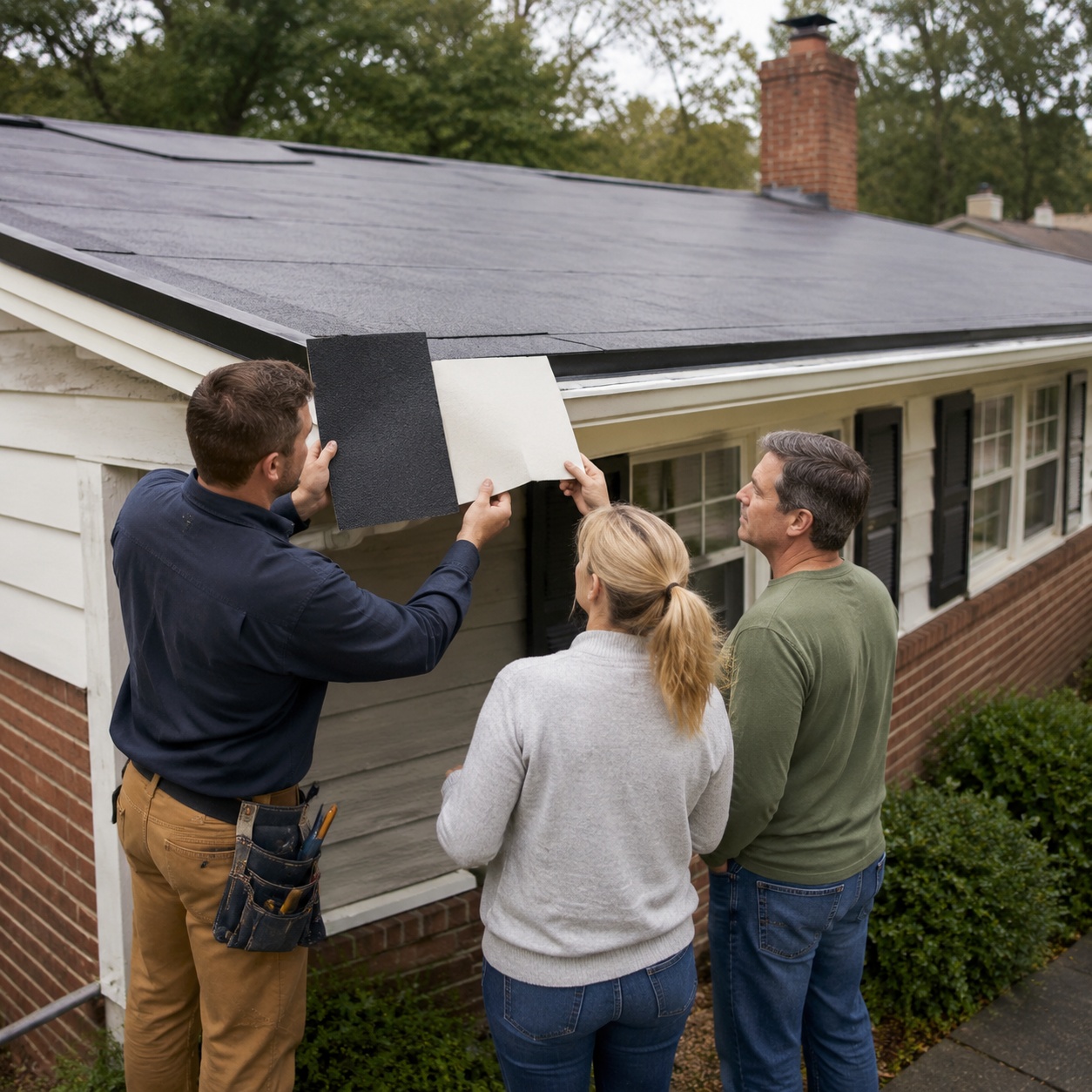
    Featured image

    Always verify that your roofing contractor has documented experience with the specific material you’re considering. A contractor skilled in steep-slope asphalt shingles is not automatically qualified to install a TPO membrane or a standing seam metal system on a low slope roof.

    Longevity, Repair Needs, and Typical Maintenance Issues

    Roof lifespan varies considerably across material types. EPDM systems typically deliver solid service life with proper installation and maintenance. TPO and PVC membranes perform similarly, with PVC generally holding a slight edge in seam durability. Modified bitumen and BUR systems are known for long service lives when properly maintained. Metal roofing routinely outperforms all membrane options in raw longevity.

    Roof repair needs also differ by material. EPDM is relatively easy to patch using compatible adhesive and patch material. TPO and PVC repairs require heat-welding equipment, meaning DIY fixes are not practical. BUR repairs involve hot bitumen work, which requires professional crews. Metal roofing repairs are infrequent but may require panel replacement or sealant work at seams and penetrations.

    • Inspect low slope roofs at least twice per year
    • Clear debris from drains and scuppers to maintain roof drainage
    • Check flashings at penetrations, walls, and edges after major storms
    • Address blistering, ponding water, or seam separation promptly
    • Document all roof maintenance and repairs for warranty compliance

    Energy Efficiency, Comfort, and Noise Considerations

    Energy efficiency is a growing priority for both commercial and residential building owners. White or light-colored roofing membranes like TPO and PVC reflect solar radiation, reducing cooling loads in warm climates. This is sometimes called the “cool roof” effect, and it can meaningfully reduce energy costs in sun-intensive regions.

    EPDM in its traditional black form absorbs heat, which can increase cooling loads in summer. White EPDM is available and addresses this concern, though it carries a modest cost premium. Metal roofing with reflective coatings also performs well on energy efficiency metrics, particularly when combined with proper roof insulation beneath the panels.

    Noise is rarely a primary concern with membrane systems, but metal roofing on low slope applications can transmit rain noise more than membrane alternatives. Proper roof insulation beneath metal panels significantly reduces this effect, and most well-insulated metal roofs are no louder than other systems during rainfall.

    Alternatives, Buying Advice, and Choosing the Best Option

    When to Consider Coatings, Overlays, or Roof Replacement

    Roof coatings are not a replacement for a failed roofing system, but they are a legitimate tool for extending the life of a membrane that is structurally sound but showing surface wear. Silicone, acrylic, and polyurethane roof coatings can restore reflectivity, seal minor surface cracks, and add years of service life to an aging TPO, EPDM, or modified bitumen roof.

    Overlays involve installing a new roofing layer directly over an existing system. This approach avoids tear-off costs and reduces landfill waste, but it adds weight to the structure and can mask underlying problems. Most building codes limit the number of overlay layers permitted, so this is not an indefinite solution.

    Full roof replacement is the right call when the existing system has widespread membrane failure, saturated insulation, or structural deck damage. Trying to coat or overlay a fundamentally compromised roof delays the inevitable and can make the eventual replacement more expensive.

    How to Compare Quotes, Warranties, and Total Cost of Ownership

    Getting multiple quotes from qualified roofing contractors is essential. But comparing quotes requires more than looking at the bottom line. Ensure each quote specifies the same material, thickness, attachment method, insulation R-value, and warranty terms. A lower quote that omits insulation or uses a thinner membrane is not a fair comparison.

    Roof warranty terms deserve careful scrutiny. Manufacturer warranties cover material defects, while workmanship warranties cover installation errors. The best protection comes from a contractor who offers both, ideally through a manufacturer-certified installer program that backs the full system. Understand what voids the warranty, including unauthorized repairs, improper drainage, or added rooftop equipment.

    Total cost of ownership is the most honest way to compare materials. Factor in installation cost, expected roof lifespan, anticipated roof maintenance and repair costs, and any energy savings from improved efficiency. A premium material that lasts significantly longer with minimal upkeep often wins on total cost even when it loses on day-one price. For an accurate picture of what your specific project will cost, request a free written quote from a qualified contractor who has inspected your roof.

    Material Selection Checklist for Homeowners and Property Managers

    Making a final material decision is easier with a structured checklist. Work through these considerations before committing to any system.

    • Confirm the actual roof slope and verify material compatibility
    • Assess local climate for temperature extremes, UV intensity, and precipitation
    • Evaluate roof drainage design and address any ponding water issues
    • Determine roof insulation requirements for energy code compliance
    • Check structural load capacity if considering BUR or metal roofing
    • Verify contractor experience with the specific material being considered
    • Compare full warranty terms, not just headline coverage periods
    • Calculate total cost of ownership across the expected roof lifespan
    • Confirm local permit requirements and inspection processes

    If your property is in a region with high wind exposure, it’s also worth reviewing how wind-rated roofing systems are evaluated and specified to ensure your low slope system meets local wind uplift requirements. Roofing decisions rarely exist in isolation, and the best outcomes come from thinking about the full building envelope together.

    Conclusion

    Low slope roofs demand materials that go beyond basic weather resistance. The right choice depends on a careful combination of climate, building type, budget, contractor availability, and long-term performance expectations. Single-ply membranes like TPO, PVC, and EPDM roofing dominate the market for good reason, offering reliable waterproofing, manageable maintenance, and strong manufacturer support. Modified bitumen and built-up roofing remain excellent choices where multi-layer redundancy and proven track records matter most. Metal roofing earns its place at the premium end of the spectrum for owners who prioritize longevity above all else.

    No single material is universally best. The best roofing material for your low slope roof is the one that matches your specific conditions, is installed by a qualified contractor, and is backed by a warranty you understand. Use the checklist in this guide, get multiple quotes, and make your decision based on total cost of ownership rather than upfront price alone.

    FAQ

    What is the most cost-effective roofing material for a low slope roof?

    Cost-effectiveness depends on how you define it. EPDM roofing is typically the entry-level option among single-ply membranes and carries a lower upfront installation cost than TPO or PVC. However, if you factor in roof lifespan, maintenance costs, and energy efficiency over time, mid-range options like TPO often deliver better total value. The most cost-effective choice for your project depends on your climate, building use, and how long you plan to own the property. A written quote from a qualified roofing contractor is the only reliable way to compare real costs for your specific situation.

    Can traditional shingles be used on a low slope roof?

    Standard asphalt shingles are not appropriate for low slope roofs. They are designed for pitches of four-in-twelve or steeper, where water sheds quickly before it can infiltrate beneath overlapping layers. On a low slope roof, water moves too slowly for shingles to provide adequate waterproofing. Some manufacturers produce specialty low-slope shingle products, but these are limited in availability and performance compared to purpose-built membrane systems. For any roof below a three-in-twelve pitch, a continuous waterproof membrane system is the correct approach.

    How long do low slope roofing systems typically last?

    Roof lifespan varies by material and installation quality. EPDM and modified bitumen systems deliver solid service life under normal conditions with proper maintenance. TPO and PVC membranes perform comparably, with PVC often holding a slight edge in seam durability over time. Built-up roofing systems are known for long service lives when maintained correctly. Metal roofing consistently outperforms membrane systems in raw longevity, often lasting significantly longer than any membrane alternative. In all cases, proper roof installation, adequate roof drainage, and regular roof maintenance are the biggest factors determining how long any system actually lasts.
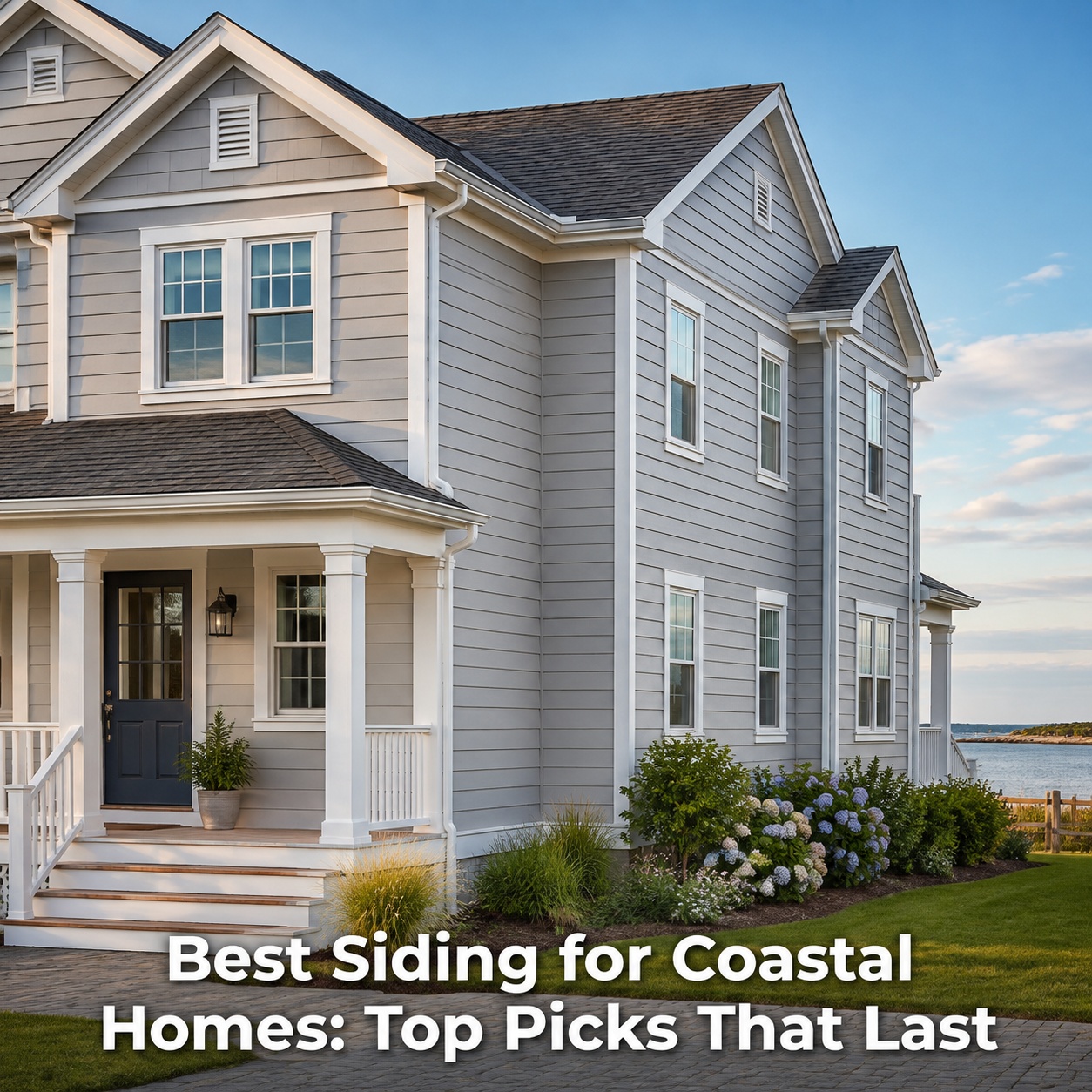
  • Best Siding for Coastal Homes: Top Picks That Last

    Best Siding for Coastal Homes: Top Picks That Last

    Living near the coast is a dream for many homeowners, but the environment is genuinely tough on building materials. Salt air, relentless humidity, strong winds, and intense UV exposure combine to break down siding faster than almost any other climate condition. Choosing the wrong material can mean premature rot, corrosion, peeling paint, and expensive repairs within just a few years of installation.

    The good news is that siding technology has advanced significantly, and there are now several excellent options designed specifically to handle coastal punishment. The challenge is sorting through the marketing claims and understanding which materials actually perform under real coastal conditions. This guide breaks down the top choices honestly, covering durability, maintenance, cost structure, and long-term value so you can make a confident decision.

    If you are also thinking about your roof while planning a coastal renovation, the best roofing materials for coastal homes follow many of the same principles covered here. Getting both right at the same time saves money and ensures your entire exterior works as a unified system against the elements.

    Best Siding for Coastal Homes: What Matters Most

    Before comparing specific products, it helps to understand what coastal environments actually demand from siding. Not every coastal home faces identical conditions. A beachfront property on the Gulf Coast deals with different challenges than a cliffside home in the Pacific Northwest. Understanding your specific exposure level shapes every decision that follows.

    Salt, Wind, Moisture, and Impact Resistance

    Salt air is the defining threat in coastal climates. Airborne salt particles settle on every exterior surface and accelerate corrosion, paint failure, and material degradation. Materials that perform well inland can fail rapidly when exposed to consistent salt air, which is why coastal-specific ratings and certifications matter so much.

    Wind resistance is equally critical. Coastal storms generate sustained winds and sudden gusts that test every fastener, seam, and panel edge. Siding with a strong hurricane rating and proper installation methods can mean the difference between minor cosmetic damage and catastrophic structural failure during a major storm.

    Moisture resistance and mold and mildew resistance go hand in hand in coastal settings. High humidity, frequent rain, and ocean spray create conditions where moisture infiltrates any gap or crack. Materials that absorb water swell, warp, and eventually rot. Mold and mildew establish quickly on surfaces that stay damp, creating both aesthetic and health concerns.

    Impact resistance matters more than many homeowners realize. Flying debris during storms, hail, and even salt-laden sand carried by strong winds can pit, crack, or puncture siding panels. Here is a quick comparison of how the main siding types perform across these key factors:

    Siding Type Salt Air Resistance Wind Resistance Moisture Resistance Impact Resistance
    Fiber Cement Excellent Excellent Excellent Very Good
    Vinyl Very Good Good Excellent Good
    Engineered Wood Good Good Good Good
    Metal Good (coated) Excellent Excellent Excellent
    Composite Very Good Very Good Very Good Very Good

    Maintenance, Lifespan, and Appearance

    Maintenance requirements directly affect the true cost of ownership over time. Some siding options look affordable upfront but demand frequent painting, sealing, or treatment to survive coastal conditions. Others cost more initially but require almost nothing beyond occasional cleaning.

    Lifespan varies dramatically between materials in coastal climates. A product rated for decades in a mild inland climate may deliver far fewer years when exposed to constant salt air and humidity. Always look for manufacturer data specific to coastal or marine environments rather than general lifespan claims.

    Appearance matters too, especially for coastal properties where curb appeal and resale value are closely tied to the home’s exterior presentation. The best siding combines durability with visual appeal, offering texture options, color variety, and UV protection that keeps the finish looking fresh without constant repainting.

    Top Siding Options Compared

    Each major siding category has genuine strengths and real limitations in coastal environments. Understanding both sides of each option helps you match the right material to your specific home, budget, and exposure level.

    Fiber Cement

    Fiber cement siding is widely considered the gold standard for coastal homes, and the reputation is well earned. Made from a blend of cement, sand, and cellulose fibers, it resists rot, insects, fire, and moisture at a level that most other materials cannot match. James Hardie is the most recognized brand in this category, and their products are specifically engineered for high-humidity and salt air environments.

    Fiber cement offers excellent paint adhesion, which matters enormously in coastal climates where UV protection and color retention are ongoing concerns. The material holds paint longer than wood and accepts repainting well when the time comes. It also carries strong hurricane ratings and meets demanding building codes in coastal zones.

    The main trade-offs are weight and installation complexity. Fiber cement panels are heavy, requiring more labor and structural consideration during installation. It also needs periodic repainting, typically every several years depending on sun and salt exposure, which adds to long-term maintenance costs.

    Vinyl

    Vinyl siding is the most popular choice across the country, and it performs reasonably well in coastal climates when you select the right product. Standard vinyl is not ideal for severe coastal exposure, but premium thick-wall vinyl with UV protection and impact-resistant formulations handles salt air and moisture very effectively.

    The biggest advantage of vinyl is its near-zero moisture absorption. It will not rot, swell, or support mold and mildew growth the way wood-based materials can. Cleaning is simple, and the color is baked into the material rather than painted on, eliminating the need for repainting entirely.

    The limitations show up in extreme wind events. Standard vinyl panels can crack under high impact and may detach in hurricane-force winds if not installed with coastal-rated fastening systems. Thicker, reinforced vinyl products address this concern but move into a higher price tier. UV exposure over many years can also cause fading and brittleness in lower-quality products.

    Engineered Wood

    Engineered wood siding offers the natural appearance of cedar siding or traditional wood siding without the same vulnerability to rot and insects. It is manufactured from wood fibers and resins compressed under heat and pressure, creating a denser, more stable product than natural wood.

    For coastal homes with moderate exposure, engineered wood can be a solid choice. It accepts paint well, offers good insulation value compared to thinner materials, and delivers an authentic wood aesthetic that many homeowners prefer. Products from reputable manufacturers include meaningful warranty coverage and are treated for moisture resistance.

    However, engineered wood is not the best choice for homes in direct beachfront positions or areas with severe storm exposure. It requires more maintenance than fiber cement or vinyl, including regular painting and inspection for any areas where moisture might penetrate the finish. Damage to the surface coating needs prompt attention to prevent deeper moisture infiltration.

    Metal and Composite Options

    Aluminum siding has a long history in coastal applications because of its natural corrosion resistance. Modern aluminum products with factory-applied coatings perform well against salt air and require minimal maintenance. The material is lightweight, which simplifies installation, and it holds up well in high-wind events.

    Steel siding offers superior impact resistance but requires careful attention to corrosion resistance in coastal environments. Galvanized or specially coated steel products are appropriate for coastal use, but bare or inadequately coated steel will rust when exposed to salt air. Always verify the specific coating and warranty coverage before selecting steel in a marine environment.

    Composite siding combines multiple materials to deliver balanced performance across durability, appearance, and maintenance requirements. Many composite products include built-in UV protection, moisture barriers, and impact-resistant cores. They sit in the mid-range to premium tier and represent a strong option for homeowners who want long-term performance without the weight of fiber cement.

    Pricing, Installation, and Long-Term Value

    Cost is always part of the conversation, and coastal siding decisions involve more financial complexity than a simple per-panel price comparison. The right framework looks at total cost of ownership rather than just the initial installation invoice.

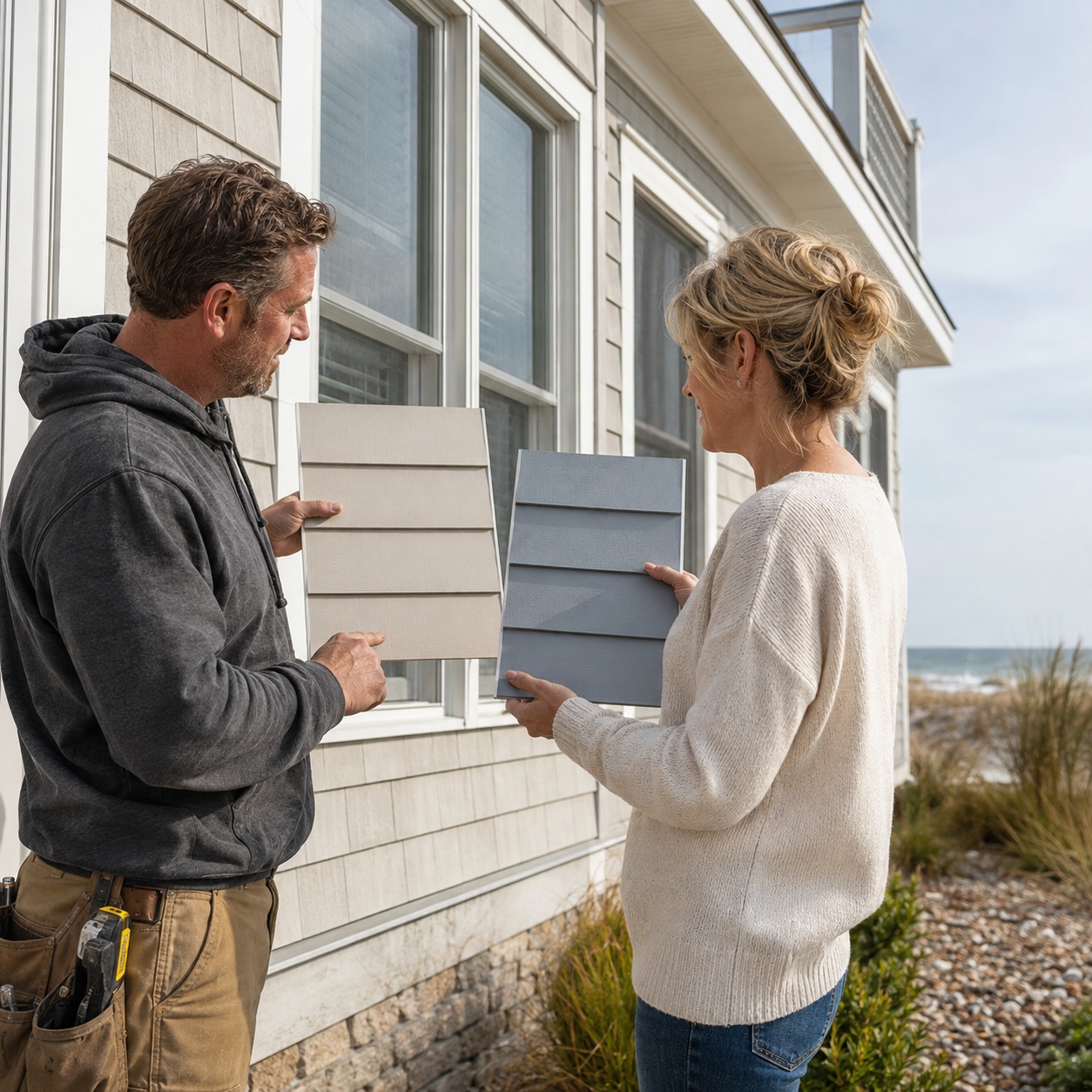
    Featured image

    Upfront Cost vs. Durability

    Entry-level vinyl sits at the most accessible price point, but standard products may not deliver the performance needed in severe coastal environments. Moving to premium vinyl with impact resistance and UV protection costs more upfront but reduces replacement and repair frequency significantly.

    Fiber cement occupies the mid-range to premium tier depending on the product line and regional labor rates. The higher initial investment is offset by a longer service life and lower maintenance frequency compared to wood-based alternatives. Over a full ownership period, fiber cement often delivers better value than cheaper options that require more frequent intervention.

    Metal and composite options generally sit at the premium end of the market. The durability and low maintenance requirements justify the investment for many coastal homeowners, particularly those in high-exposure locations where material failure carries significant consequences. Getting a written quote for your specific project is the most reliable way to understand actual costs for your home.

    Installation Complexity and Labor

    Installation cost is driven by material weight, panel size, fastening requirements, and the complexity of your home’s exterior. Fiber cement requires experienced installers because of its weight and the precision needed for proper sealing and fastening. Cutting fiber cement also requires specialized tools and dust management, adding to labor time.

    Vinyl is generally faster and easier to install, which reduces labor costs. However, coastal installation requires additional attention to fastening patterns and wind uplift resistance, which adds time compared to standard inland installation. Skipping these steps to save money creates real risk during storm events.

    Proper installation is not optional in coastal environments. Even the best siding material will fail prematurely if installed without attention to coastal-specific requirements. Verify that your contractor has experience with coastal projects and understands local building codes before signing any contract.

    Repair Costs and Maintenance Over Time

    Repair costs vary significantly between materials. Vinyl panels that crack or detach are relatively inexpensive to replace individually, though color matching can be challenging if the original product line has been discontinued. Fiber cement repairs are more involved but less frequent, and the material’s durability means damage events are rarer.

    Wood-based products, including engineered wood, carry the highest ongoing maintenance burden in coastal climates. Regular painting, sealing, and inspection add up over time, and any lapse in maintenance can lead to moisture damage that requires more extensive and expensive repair work.

    Just as siding choices affect long-term costs, so do window selections. Pairing durable siding with energy-efficient replacement windows creates a more complete coastal envelope that reduces both energy bills and moisture infiltration risk over time.

    Alternatives and Buying Advice

    Matching the right siding to your specific situation requires thinking beyond general rankings. Budget, storm exposure level, and your tolerance for ongoing maintenance all shape the best answer for your home.

    Best Choices by Budget

    At the entry level, premium vinyl with UV protection and impact resistance offers the best combination of affordability and coastal performance. Avoid the thinnest, cheapest vinyl products in coastal environments, as they are designed for mild climates and will underperform quickly.

    Mid-range budgets open the door to engineered wood and entry-level fiber cement products. Both deliver meaningful improvements in durability and appearance over basic vinyl. Fiber cement is the stronger coastal performer between the two, particularly in high-humidity and salt air conditions.

    Premium budgets allow access to James Hardie’s full product line, high-end composite siding, and properly coated metal options. These materials deliver the longest service life and lowest maintenance burden, making them the most cost-effective choice over a full ownership period despite higher initial investment.

    Best Choices by Storm Exposure

    Homes with moderate coastal exposure, meaning they are set back from the water with some natural wind protection, have more flexibility in material selection. Engineered wood, premium vinyl, and mid-range fiber cement all perform acceptably in these conditions with proper installation.

    Direct beachfront properties and homes in hurricane-prone regions need the strongest available options. Fiber cement with hurricane-rated installation, properly coated metal siding, or premium composite products are the appropriate choices. These locations also benefit from siding that meets or exceeds local building codes for wind uplift and impact resistance.

    For homes in areas with frequent severe storms, it is worth reviewing wind resistance standards alongside siding choices. The same principles that apply to high-wind roofing materials apply to siding selection, and coordinating both decisions creates a more resilient exterior system overall.

    What to Ask Before Buying

    Before committing to any siding product, ask your contractor and supplier these specific questions:

    • Does this product carry a coastal or marine environment warranty?
    • What is the hurricane rating and how was it tested?
    • What are the specific maintenance requirements in salt air conditions?
    • Does this product meet local building codes for coastal construction?
    • What fastening system is required for wind uplift resistance in my area?
    • How does the warranty coverage change if installation requirements are not followed exactly?

    Getting clear answers to these questions before purchase protects you from expensive surprises after installation. A contractor who cannot answer them confidently may not have the coastal experience your project requires.

    Conclusion

    Coastal homes demand siding that can genuinely handle salt air, moisture, wind, and UV exposure over many years without constant intervention. Fiber cement leads the field for overall coastal performance, with premium vinyl and composite options offering strong alternatives depending on budget and exposure level. Engineered wood and metal products each have a place in the right circumstances, but require careful product selection and installation attention.

    The most important takeaway is that no siding material performs well in coastal conditions without proper installation and appropriate product selection for your specific exposure level. Investing in the right material and a qualified installer pays dividends in reduced maintenance, fewer repairs, and a home exterior that holds its value and appearance through years of coastal weather.

    FAQ

    What siding lasts longest in coastal climates?

    Fiber cement siding, particularly products from James Hardie, consistently delivers the longest service life in coastal climates. Its resistance to rot, moisture, salt air, and insects, combined with strong hurricane ratings, makes it the top performer for long-term durability. Properly coated metal siding and premium composite options also offer excellent longevity in coastal environments.

    Which siding needs the least maintenance near the ocean?

    Vinyl siding requires the least ongoing maintenance in coastal environments because it does not need painting and resists moisture absorption completely. Premium vinyl with UV protection maintains its appearance with simple periodic cleaning. Metal siding with factory-applied coatings is also very low maintenance, though it requires inspection for any coating damage that could expose the substrate to corrosion.

    Is fiber cement better than vinyl for coastal homes?

    Fiber cement generally outperforms vinyl in severe coastal conditions because of its superior impact resistance, paint adhesion, and structural strength in high-wind events. However, premium vinyl is a legitimate alternative for homes with moderate coastal exposure and tighter budgets. The right answer depends on your specific location, storm exposure level, and how much ongoing maintenance you are willing to manage over the life of the siding.

  • Best Replacement Windows for Energy Efficiency

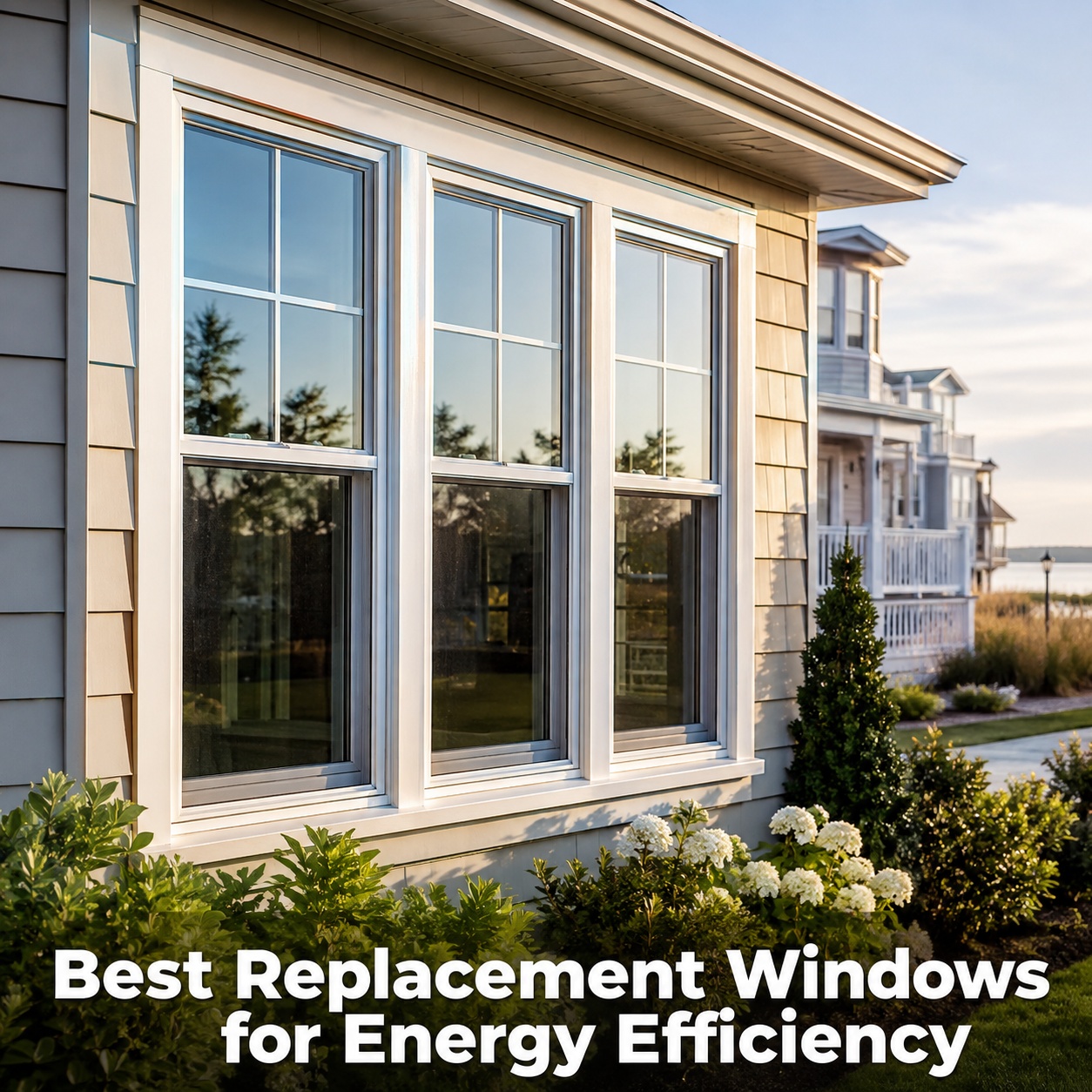
    Best Replacement Windows for Energy Efficiency

    Upgrading your windows is one of the smartest investments you can make in your home’s comfort and long-term operating costs. Old, drafty windows bleed conditioned air, force your HVAC system to work harder, and quietly inflate your heating and cooling costs month after month. Replacing them with high-performance units can transform how your home feels in every season.

    Choosing the right replacement windows is not as simple as picking a style you like. You need to understand frame materials, glass technology, gas fills, and energy ratings before you spend a single dollar. The good news is that the market has never offered more genuinely efficient options, and this guide walks you through all of them clearly.

    This article covers everything from technical specifications to real-world homeowner feedback, pricing structure, and expert buying advice. By the end, you will know exactly what to look for, which questions to ask, and how to avoid the most common mistakes people make when replacing windows for energy efficiency.

    Key Features That Drive Window Energy Efficiency

    Frame Materials and Insulation Performance

    The frame is the structural backbone of any window, and it plays a surprisingly large role in thermal performance. A frame that conducts heat easily will undermine even the best glass package you install inside it.

    Different materials behave very differently under thermal stress. Wood offers natural insulation but requires consistent maintenance. Aluminum conducts heat rapidly, making it one of the least efficient choices without a proper thermal break. Vinyl and fiberglass sit at the top of the efficiency ladder for most homeowners.

    The frame also affects air leakage rating, which measures how much unconditioned air passes through gaps and seams. A well-constructed frame with tight tolerances keeps that number low and your comfort level high.

    Frame Material Insulation Performance Maintenance Level Typical Lifespan
    Vinyl High Low Long
    Fiberglass Very High Low to Medium Very Long
    Wood Medium to High High Long with care
    Aluminum Low (without break) Low Very Long
    Composite High Low Very Long

    Glass Options: Double, Triple Pane and Low-E Coatings

    The glass unit is where most of the thermal work happens. Double pane windows use two layers of glass separated by a sealed air or gas space, which dramatically reduces heat transfer compared to single pane units. Triple pane windows add a third layer, pushing performance even further.

    Low-E glass, short for low-emissivity glass, features a microscopically thin metallic coating that reflects infrared heat. In cold climates, it keeps interior heat inside. In hot climates, it blocks solar heat from entering. The coating is nearly invisible and does not significantly affect visible light transmission.

    Window glazing technology has advanced considerably, and most quality replacement windows now include Low-E coatings as a standard feature rather than an upgrade. Pairing Low-E glass with the right gas fill creates an insulated glass unit that performs well across a wide range of climate zones.

    Gas Fills, Spacers and Thermal Break Technologies

    The space between glass panes is filled with either air, argon gas fill, or krypton gas fill. Argon is the most common choice because it is denser than air, slows heat transfer, and is cost-effective. Krypton performs even better but costs more, making it the preferred choice for triple pane windows where the gap between panes is narrower.

    Spacers hold the glass panes apart and seal the gas inside. Traditional aluminum spacers conduct heat, creating a cold edge around the glass that can cause condensation and reduce overall performance. Warm-edge spacers made from foam, rubber, or composite materials significantly reduce this edge effect.

    Thermal break technologies apply the same principle to aluminum frames. A non-conductive material is inserted between the interior and exterior sections of the frame, interrupting the path that heat would otherwise travel through the metal. Without this break, aluminum windows remain a poor choice for energy efficiency regardless of the glass package.

    U-Factor, Solar Heat Gain Coefficient and Energy Ratings

    The U-Factor measures how quickly a window loses heat. Lower numbers mean better insulation. The Solar Heat Gain Coefficient, or SHGC, measures how much solar radiation passes through the glass. A lower SHGC blocks more heat, which is ideal in hot climates, while a higher SHGC can be beneficial in cold climates where passive solar gain helps with heating.

    Energy Star certification is the most reliable shortcut for identifying efficient windows. Products earn this label by meeting performance thresholds set for specific climate zones across the country. Always check that the certification applies to your region, not just any region.

    The R-Value is the inverse of U-Factor and represents resistance to heat flow. Higher R-Values indicate better insulation. Air leakage rating and condensation resistance round out the key metrics you should review before making any purchase decision.

    Top Types of Energy-Efficient Replacement Windows

    Vinyl vs. Fiberglass vs. Composite Frames

    Vinyl windows dominate the replacement window market for good reason. They are affordable, require almost no maintenance, resist moisture, and deliver strong thermal performance. The hollow chambers inside vinyl frames can be filled with insulating foam to boost their R-Value further.

    Fiberglass windows outperform vinyl in several ways. They expand and contract at nearly the same rate as glass, which means seals stay tight over decades of temperature swings. They are also stronger, allowing for slimmer frames and more glass area. The trade-off is a higher price point, typically landing in the premium tier.

    Composite frames blend wood fibers with polymer resins to create a material that mimics wood’s appearance while resisting rot and moisture. They offer excellent insulation and durability, sitting between vinyl and fiberglass in both performance and cost. Just as selecting the right material matters for windows, it matters for your entire home envelope — homeowners researching durable exterior materials for coastal climates often find that the same principles of moisture resistance and thermal performance apply across every component.

    Best Styles for Efficiency: Casement, Double-Hung, Picture and Sliding

    Window style affects energy efficiency because it determines how the sash seals against the frame. Casement windows, which crank open on a hinge, compress against a continuous seal when closed. This makes them among the most airtight options available and an excellent choice for efficiency-focused homeowners.

    Double-hung windows are the most popular style in North America. They are versatile and easy to clean, but their sliding sash design creates more potential for air leakage than casement units. High-quality weatherstripping and tight manufacturing tolerances minimize this gap.

    Picture windows are fixed and do not open, which makes them the most airtight style by default. They work well in locations where ventilation is not needed. Sliding windows share some of the same air leakage challenges as double-hung units but remain a practical choice for wide horizontal openings.

    Manufacturer and Brand Examples to Consider

    Several manufacturers consistently earn strong marks for energy performance and product quality. Andersen, Pella, and Marvin are among the most recognized window brands in North America, each offering product lines that span entry-level to premium performance tiers.

    Andersen offers fiberglass and composite options alongside its wood and vinyl lines. Pella is known for its between-the-glass blinds and strong Energy Star compliance across multiple product families. Marvin focuses heavily on premium wood and fiberglass construction with exceptional customization options.

    Beyond these major brands, regional manufacturers sometimes offer competitive performance at lower price points. Always verify Energy Star certification and request the National Fenestration Rating Council label, which provides standardized performance data for direct comparison between products.

    Durability, Maintenance Needs and Lifespan

    Fiberglass and composite frames last the longest with the least maintenance. They resist warping, rotting, and fading, and they hold paint well if you choose a painted finish. Vinyl requires no painting but can fade or become brittle in extreme climates over many decades.

    Wood windows remain beautiful and naturally insulating, but they demand regular painting or staining to prevent moisture damage. Aluminum windows are virtually indestructible structurally but require thermal break technology to be energy-efficient. Their longevity is excellent in coastal environments where salt air would degrade other materials.

    Proper installation matters as much as the window itself. Even the highest-performing unit will underperform if it is not sealed and flashed correctly. Choosing a qualified installer is not optional — it is essential to realizing the efficiency gains you are paying for.

    Featured image

    Pricing, Long-Term Savings and Real-World User Experience

    Upfront Costs by Material and Window Type

    Vinyl windows sit at the entry to mid-range tier of the market, making them the most accessible option for homeowners replacing multiple windows at once. Fiberglass and composite frames move into the premium tier, with fiberglass often costing roughly double what a comparable vinyl unit would run. Wood windows vary widely depending on species and finish, but quality wood units generally land in the premium category as well.

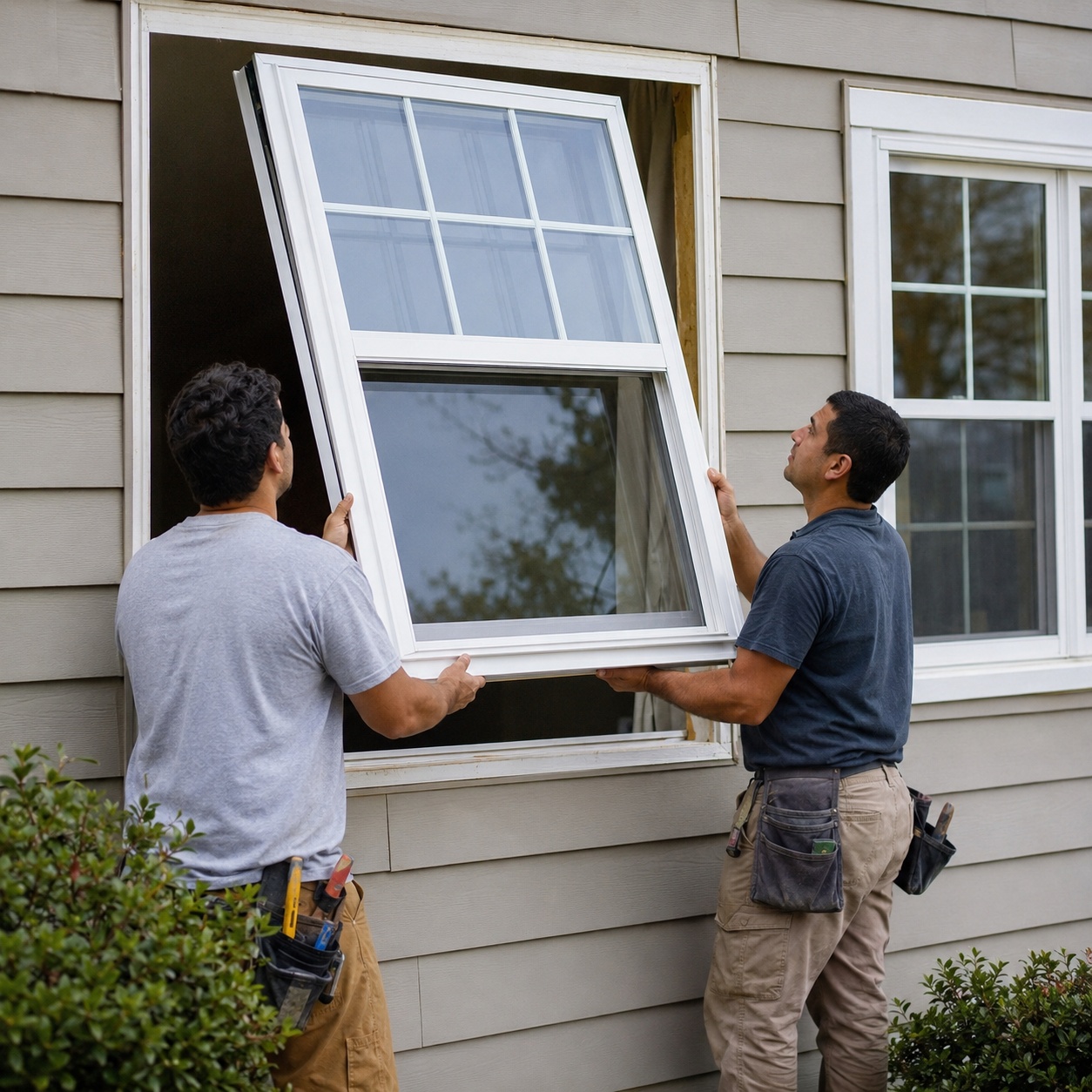
    Installation labor adds meaningfully to the total project cost. Full-frame replacements, which involve removing the entire existing window including the frame, cost more than insert replacements that drop a new unit into an existing frame. The complexity of the opening, the floor level, and local labor rates all influence the final number.

    The best way to understand what your specific project will cost is to get a free written quote from a qualified local installer. Published averages are almost always wrong for any individual job because no two homes are identical. Request quotes from the installer directly rather than relying on general estimates.

    Energy Bill Savings and Payback Period

    The savings from efficient replacement windows depend on what you are replacing, your local climate zone, your home’s heating and cooling system, and how much you pay for energy. Replacing single-pane windows in a cold climate with Energy Star-certified double pane windows produces the most dramatic reduction in heating and cooling costs.

    Payback periods vary widely. Homes with very old, leaky windows in extreme climates tend to see faster returns. Homes already equipped with reasonably efficient windows will see smaller savings and longer payback timelines. Triple pane windows cost more upfront and deliver incremental gains over double pane units, so their payback period is typically longer.

    The return on investment calculation should include comfort, not just utility bills. A home that maintains consistent temperatures, eliminates cold drafts, and reduces condensation is genuinely more livable, and that has real value beyond what shows up on an energy statement.

    Comfort, Noise Reduction and Aesthetic Impact

    Homeowners consistently report that the comfort improvement from quality replacement windows surprises them. Eliminating drafts near windows makes entire rooms feel warmer in winter without changing the thermostat setting. The reduction in radiant cold from glass surfaces also makes a noticeable difference in how comfortable a room feels.

    Noise reduction is a significant secondary benefit, particularly for homes near busy roads, airports, or commercial areas. Triple pane windows and laminated glass options provide the most substantial sound attenuation. Double pane windows with argon gas fill also reduce noise meaningfully compared to single pane units.

    Aesthetically, new windows refresh the look of a home both inside and out. Modern profiles are slimmer, hardware is more refined, and finish options have expanded considerably. Many homeowners find that new windows are one of the most visually impactful upgrades they make to their home’s exterior.

    What Homeowners Say: Common Pros and Cons

    Homeowners who replace windows for energy efficiency most commonly praise the immediate comfort improvement and the reduction in drafts. Lower utility bills are frequently mentioned, though the magnitude varies. Noise reduction earns consistent positive feedback, especially in urban settings.

    Common complaints center on cost, particularly when replacing many windows at once. Some homeowners express frustration with long lead times from certain manufacturers. A smaller number report installation quality issues, which reinforces the importance of choosing a reputable installer over the lowest bidder.

    • Pros: improved comfort, lower energy bills, noise reduction, better aesthetics
    • Cons: high upfront cost, variable payback period, installation quality depends on contractor
    • Neutral: triple pane upgrades are valued most in very cold climates

    Alternatives and Expert Buying Advice

    When to Choose Window Inserts or Storm Windows Instead

    Full replacement windows are not always the right answer. If your existing frames are structurally sound and well-sealed, window inserts drop into the existing frame opening and deliver meaningful efficiency gains at a lower cost. They are faster to install and cause less disruption to interior and exterior finishes.

    Storm windows are another cost-effective alternative, particularly for historic homes where preserving original windows is a priority. Interior storm windows are especially effective at reducing air leakage and improving thermal performance without altering the exterior appearance of the home.

    The decision between full replacement, inserts, and storm windows should be based on the condition of your existing frames, your budget, and your efficiency goals. A qualified installer can assess your current windows and give you an honest recommendation.

    Upgrades to Existing Windows: Weatherstripping and Films

    Before committing to full replacement, consider whether targeted upgrades to existing windows could close the performance gap. Weatherstripping replacement is inexpensive and can dramatically reduce air leakage around sashes and frames that have degraded seals.

    Window films apply directly to existing glass and can reduce solar heat gain, improve insulation slightly, and reduce glare. They are not a substitute for quality replacement windows but can extend the useful life of existing units while you plan a larger project. Just as homeowners in storm-prone regions research wind-resistant roofing options before committing to a full replacement, it pays to evaluate all your options before signing a window contract.

    Caulking around window frames, both interior and exterior, is another low-cost upgrade that reduces air infiltration. Many older homes have cracked or missing caulk that allows significant air movement around window frames regardless of how well the window itself performs.

    How to Compare Quotes and Choose an Installer

    Get at least three written quotes before making a decision. Each quote should specify the exact product, including brand, model, glass package, frame material, and warranty terms. Vague quotes that describe windows in general terms make comparison impossible and leave room for substitutions after you sign.

    Verify that your installer is licensed, insured, and experienced with the specific product they are proposing. Ask for references from recent jobs and follow up on them. Check online reviews, but weight detailed reviews more heavily than brief star ratings.

    • Confirm the installer pulls necessary permits
    • Ask how they handle flashing and moisture barriers
    • Clarify who handles the manufacturer warranty versus the installation warranty
    • Get a written timeline and understand what happens if products are delayed

    Key Questions to Ask Before You Buy

    Asking the right questions before signing a contract protects you from surprises and ensures you get the performance you are paying for. Start with the basics and work toward the specifics.

    • Is this window Energy Star certified for my climate zone?
    • What is the U-Factor and SHGC for this specific product?
    • Does the quote include full-frame or insert replacement?
    • What type of gas fill and spacer system does this window use?
    • What warranties apply to the glass seal, the frame, and the installation?
    • How long has your company been installing this brand?

    Never skip the warranty conversation. Glass seal failures that cause fogging between panes are the most common long-term issue with insulated glass units. Understanding what is covered and for how long tells you a great deal about the manufacturer’s confidence in their product.

    Conclusion

    Replacing windows for energy efficiency is a meaningful home improvement that pays dividends in comfort, utility savings, and home value. The key is matching the right product to your climate zone, your home’s specific needs, and your budget. Vinyl frames with double pane Low-E glass and argon gas fill represent the most practical choice for most homeowners. Fiberglass and composite options deliver premium performance for those willing to invest more upfront.

    Focus on Energy Star certification, verified U-Factor and SHGC ratings, and a qualified installer. Those three factors will determine whether your new windows actually perform as promised. Get written quotes, ask detailed questions, and do not let price alone drive your decision.

    FAQ

    Which replacement window material offers the best energy efficiency?

    Fiberglass frames currently offer the highest overall energy efficiency among frame materials. They insulate well, expand and contract at nearly the same rate as glass, and maintain tight seals over decades. Vinyl frames are a close second and represent the best value for most homeowners. Composite frames also perform excellently and are worth considering if you want wood aesthetics without the maintenance demands.

    Are triple-pane windows worth the extra cost for most homes?

    Triple pane windows make the most sense in very cold climate zones where heating costs are high and the incremental performance gain over double pane windows translates into meaningful savings. In moderate or warm climates, the additional cost rarely justifies the marginal efficiency improvement. High-quality double pane windows with Low-E coatings and argon gas fill deliver excellent performance for the majority of homes across most of the country.

    How can I tell if a window is truly energy efficient before purchasing?

    Look for the National Fenestration Rating Council label on any window you are considering. This label provides independently verified U-Factor, SHGC, air leakage rating, and condensation resistance data. Confirm that the window carries Energy Star certification for your specific climate zone. Ask the manufacturer or installer for the exact specifications in writing, and cross-reference them against the NFRC label to ensure consistency. A reputable manufacturer will have no hesitation providing complete performance documentation.

  • Best Roof Shingles for High Wind: Our Top Picks

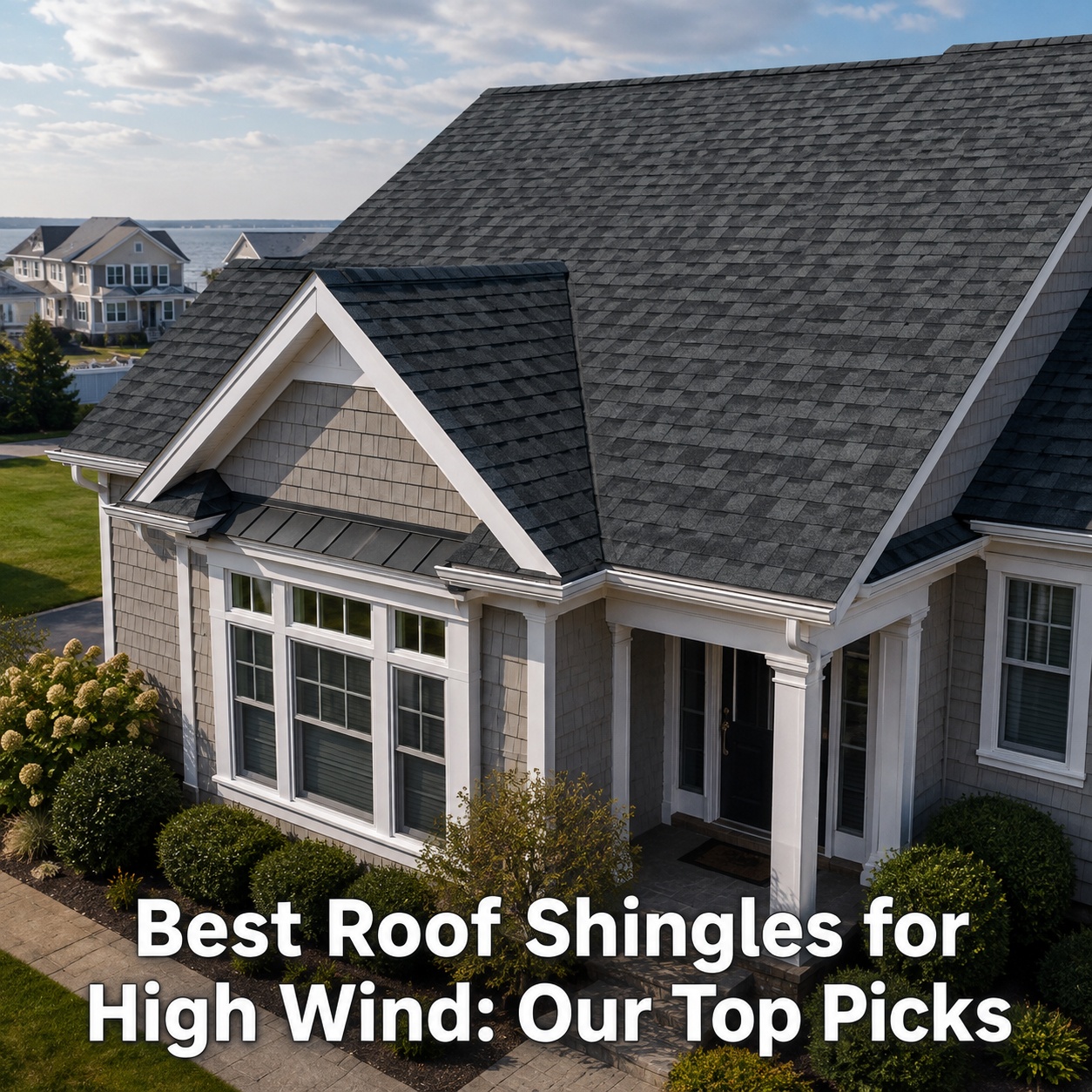
    Best Roof Shingles for High Wind: Our Top Picks

    Living in a high-wind region means your roof faces constant stress that most homeowners never think about until something goes wrong. A shingle that performs beautifully in calm conditions can lift, crack, or peel away entirely when sustained winds push past certain thresholds. Choosing the right product from the start protects your home, your wallet, and your peace of mind for decades.

    The market for wind-resistant roofing has grown significantly, and manufacturers now offer products engineered specifically for hurricane-prone coastlines, tornado corridors, and mountain ridgelines. Understanding what separates a genuinely wind-resistant shingle from a standard one requires looking beyond marketing language and into actual performance data, ASTM standards, and real-world installation practices.

    This guide walks you through the top shingle picks for high-wind environments, explains what features matter most, and gives you the buying advice you need to make a confident decision. Whether you are replacing a damaged roof or building new, the information here will help you match the right product to your specific climate and budget.

    Best Roof Shingles for High Wind: Top Picks

    Key features to compare

    Not all asphalt shingles are created equal, and the differences become obvious when wind speeds climb. The most important features to evaluate include wind rating in MPH wind speed, nail pattern requirements, adhesive strip quality, and overall shingle weight. Heavier architectural shingles generally outperform lighter three-tab options because their mass and layered construction resist wind uplift more effectively.

    Class 4 shingles represent the highest impact resistance rating available, and many of these products also carry superior wind resistance certifications. Look for shingles tested to ASTM D3161 or ASTM D7158 standards, which simulate real-world wind conditions in controlled laboratory environments. Products meeting these ASTM standards give you a reliable baseline for comparison.

    The table below summarizes the key comparison points across the leading product categories available today.

    Shingle Type Wind Rating (MPH) Impact Rating Best For Price Tier
    Standard Architectural Up to 110 MPH Class 3 Moderate wind zones Entry level
    Premium Architectural Up to 130 MPH Class 3–4 High-wind regions Mid range
    Impact-Resistant Class 4 Up to 150 MPH Class 4 Hurricane and hail zones Premium
    Metal Roofing Panels Up to 160+ MPH Class 4 Extreme wind environments Premium

    GAF shingles, CertainTeed shingles, and Owens Corning all produce strong contenders in the architectural and impact-resistant categories. Each brand offers product lines specifically engineered for hurricane resistance and high-wind performance, with warranty coverage that reflects their confidence in those claims.

    Performance in high-wind conditions

    Real-world performance depends on more than the shingle itself. The roof deck condition, starter strips placement, nail pattern, and overall installation quality all contribute to how well any shingle survives a major wind event. A premium shingle installed incorrectly will fail before a mid-range shingle installed by an experienced roofing contractor following manufacturer specifications.

    GAF’s Timberline HDZ line consistently earns high marks for wind resistance, rated to withstand winds up to 130 MPH with standard installation and higher with enhanced nailing patterns. CertainTeed’s Landmark series offers similar performance with a strong reputation for adhesive strip reliability, which is the feature most responsible for preventing shingle lift during sustained gusts.

    Owens Corning’s Duration series uses a patented SureNail technology that creates a wider nailing zone, reducing the chance of improper nail placement during installation. This matters enormously in high-wind regions because a nail placed even slightly outside the designated zone can reduce that shingle’s wind resistance by a significant margin. For coastal environments where salt air and wind combine, you can find additional guidance on roofing materials designed specifically for coastal homes that face these compounding challenges.

    Metal roofing deserves mention here as well. Standing seam metal panels interlock mechanically rather than relying on adhesive strips, making them inherently more resistant to wind uplift. They carry Class 4 impact resistance ratings and can handle MPH wind speeds that exceed what most asphalt shingles can manage.

    Features, Benefits, and Pricing

    Durability and warranty coverage

    Durability in roofing materials is measured across several dimensions: resistance to wind, impact, UV degradation, and moisture infiltration. The best high-wind shingles address all of these simultaneously because a roof weakened by UV damage or moisture intrusion becomes far more vulnerable to wind failure over time.

    GAF shingles in the premium tier come with a lifetime limited warranty and a separate wind warranty that covers specific MPH wind speed thresholds. CertainTeed shingles offer similar warranty structures, with their SureStart protection covering manufacturing defects and their wind warranty covering performance in high-wind conditions. Owens Corning backs its Duration series with a lifetime limited warranty and a wind warranty that extends to 130 MPH under standard installation.

    • Lifetime limited warranties cover manufacturing defects and premature granule loss
    • Wind warranties specify the maximum MPH wind speed covered and the nail pattern required to maintain coverage
    • Impact resistance warranties may reduce your homeowner’s insurance premium in qualifying states
    • Transferable warranties add resale value to your home
    • Warranty coverage often requires installation by a certified roofing contractor

    Reading the fine print on warranty coverage matters more than most homeowners realize. Some warranties require specific starter strips, ice and water shield underlayment, and roof ventilation products from the same manufacturer to remain valid. Skipping any of these components can void the wind warranty entirely, leaving you unprotected after a storm.

    Class 4 shingles carry the most comprehensive warranty packages because manufacturers know these products are being installed in the most demanding environments. The investment in a Class 4 product typically comes with warranty terms that reflect the product’s superior engineering and testing against ASTM standards.

    Cost versus long-term value

    Pricing for wind-resistant shingles follows a clear tier structure. Entry-level architectural shingles cost less upfront but offer lower wind ratings and shorter effective lifespans in high-wind environments. Mid-range products hit a sweet spot for most homeowners in moderate wind zones, offering meaningful wind resistance without the premium price of Class 4 options. Premium impact-resistant shingles and metal roofing cost more than standard options, sometimes roughly double the entry-level price, but they deliver substantially better performance and longer service life.

    What drives the price up in wind-resistant roofing materials includes the quality of the fiberglass mat, the thickness and weight of the asphalt coating, the strength of the adhesive strips, and the complexity of the manufacturing process required to achieve Class 4 ratings. Installation costs also increase in high-wind regions because proper nail pattern requirements, starter strips, and ice and water shield add both material and labor time.

    Featured image
    • Shingle weight and thickness directly affect material cost
    • Enhanced nail patterns require more fasteners and more installation time
    • Starter strips and ice and water shield add to total project cost
    • Roof deck repairs discovered during replacement increase the final bill
    • Certified roofing contractor installation may cost more but protects your warranty

    The long-term value calculation favors premium products in genuinely high-wind environments. A roof that survives a major storm without damage avoids the cost of emergency repairs, insurance deductibles, and interior water damage remediation. Get a free written quote for your specific project before making any final decisions, since actual costs vary considerably based on roof size, pitch, and local labor rates.

    User Experience and Installation

    Ease of installation for contractors

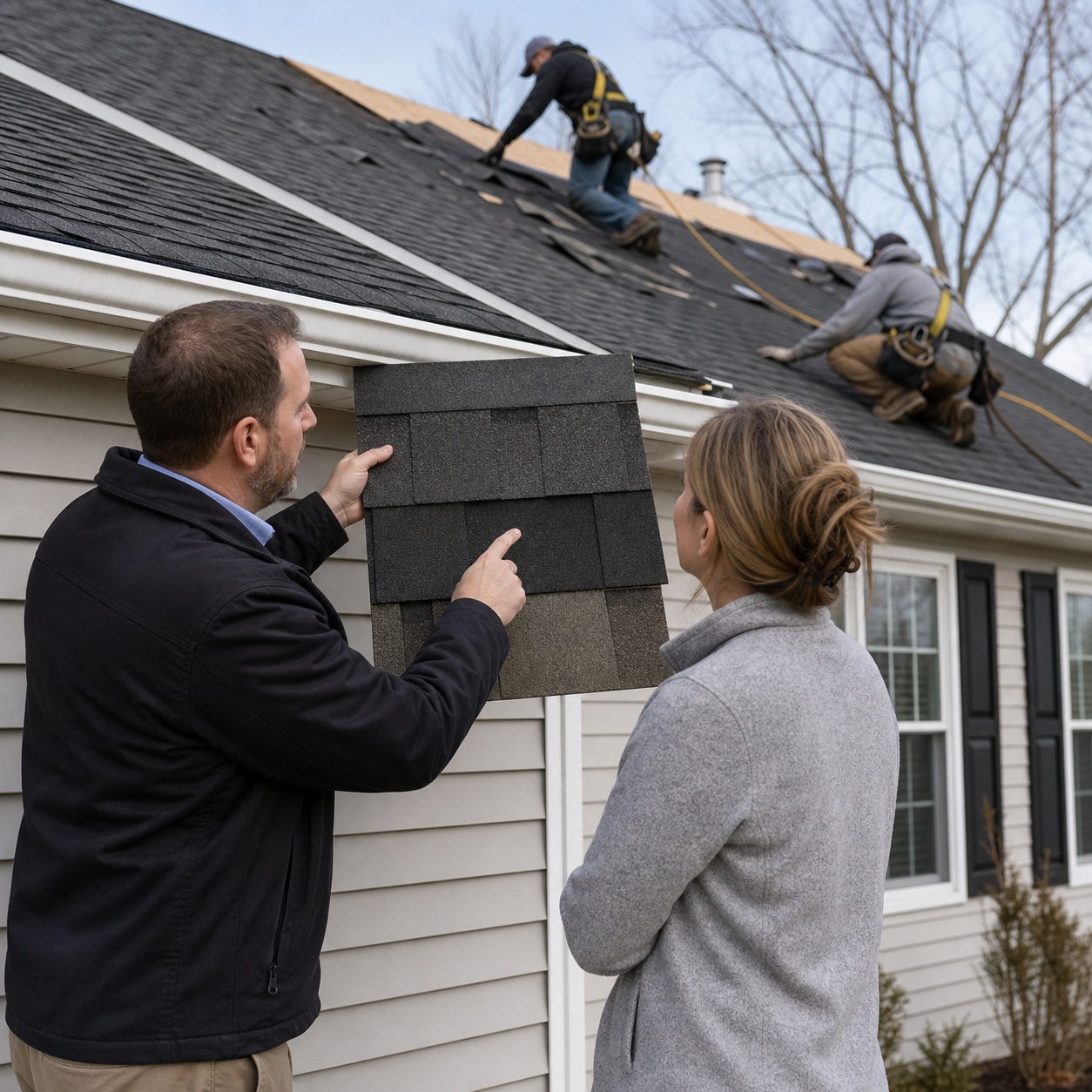
    From a roofing contractor’s perspective, some high-wind shingles are significantly easier to install correctly than others. Owens Corning’s SureNail technology, mentioned earlier, reduces installation errors by making the nailing zone visually obvious. This matters because even experienced crews can misplace nails under time pressure or in difficult weather conditions.

    GAF shingles in the Timberline HDZ line use a LayerLock technology that bonds shingles together during installation, creating a unified surface that resists wind uplift more effectively than individual shingles relying solely on adhesive strips. CertainTeed shingles use a similar approach with their Landmark series, incorporating a dual-layer construction that adds both weight and structural integrity.

    • Wider nailing zones reduce installation errors and improve wind resistance
    • Self-sealing adhesive strips activate with heat, so cold-weather installation may require hand-sealing
    • Heavier shingles require more physical effort but deliver better wind performance
    • Starter strips must be installed at eaves and rakes to prevent edge lift
    • Proper roof deck preparation ensures nails penetrate adequately for maximum holding power

    The nail pattern specified by the manufacturer is not optional in high-wind zones. Most standard installations use four nails per shingle, but many wind-rated products require six nails per shingle to achieve their rated MPH wind speed performance. This detail is frequently overlooked by contractors unfamiliar with high-wind installation requirements, and it can mean the difference between a roof that survives a hurricane and one that does not.

    Roof ventilation also plays a role in installation planning. Proper roof ventilation reduces the pressure differential between the attic and the exterior during high-wind events, which in turn reduces wind uplift forces acting on the shingles from below. A well-ventilated roof deck supports better overall wind resistance regardless of which shingle product you choose.

    Maintenance, appearance, and noise considerations

    High-wind shingles require less maintenance than you might expect, largely because their superior construction also makes them more resistant to the everyday weathering that causes standard shingles to deteriorate. Granule retention is better in premium products, which means they maintain their protective coating longer and require fewer repairs over their service life.

    Architectural shingles offer a dimensional appearance that mimics wood shake or slate, giving your home a premium look without the maintenance demands of natural materials. Class 4 shingles are available in a wide range of colors and profiles, so you do not have to sacrifice aesthetics for performance. GAF shingles, CertainTeed shingles, and Owens Corning all offer extensive color palettes in their high-wind product lines.

    • Heavier shingles tend to absorb sound better than lighter options, reducing rain noise
    • Metal roofing can amplify rain and hail noise without proper underlayment
    • Algae-resistant coatings are available in most premium shingle lines
    • Impact-resistant shingles show less visible damage from hail, maintaining curb appeal longer
    • Regular inspection after major wind events helps catch minor issues before they become major repairs

    Noise is a consideration that homeowners rarely think about until after installation. Metal roofing, while excellent for wind resistance, can be noticeably louder during rain and hail events unless proper underlayment and insulation are installed beneath it. Asphalt shingles, particularly heavier architectural and Class 4 options, tend to dampen sound effectively and perform quietly in most weather conditions.

    Alternatives and Buying Advice

    When to choose architectural versus impact-resistant shingles

    The choice between architectural shingles and impact-resistant Class 4 shingles depends primarily on your specific wind and weather environment. Architectural shingles rated to 110 or 130 MPH wind speed are appropriate for most high-wind regions that do not regularly experience hurricane-force conditions or significant hail. They offer a meaningful upgrade over standard three-tab shingles at a more accessible price point.

    Class 4 shingles make sense when your region experiences both high winds and hail, when your insurance company offers a premium discount for impact-resistant roofing materials, or when you want the highest available protection for a long-term roof replacement. The additional upfront cost is often offset by insurance savings and reduced repair frequency over the life of the roof.

    • Choose architectural shingles for moderate high-wind zones with limited hail exposure
    • Choose Class 4 impact-resistant shingles for hurricane zones, tornado corridors, or hail-prone regions
    • Consider metal roofing for extreme wind environments or when maximum longevity is the priority
    • Consult your insurance provider before choosing, as Class 4 ratings may reduce your premium
    • Check local building codes to confirm minimum wind rating requirements for your area

    Metal roofing is the strongest alternative for extreme wind environments, offering wind resistance that exceeds what any asphalt shingle product can match. The tradeoff is higher upfront cost and a different aesthetic that may not suit every home style. For homeowners in the most severe wind zones, the performance advantage of metal roofing often justifies the investment.

    What to look for in wind ratings and local code requirements

    Wind ratings on shingle packaging represent laboratory test results under controlled conditions. Real-world performance depends on proper installation, roof deck condition, and the specific wind dynamics of your home’s location. A shingle rated to 130 MPH in a lab test may perform differently on a home with a low-slope roof, significant overhangs, or a location that creates wind channeling effects.

    Building codes in high-wind regions specify minimum wind resistance requirements for roofing materials, and these requirements vary by location. Coastal areas subject to hurricane risk often require shingles rated to higher MPH wind speeds than inland areas. Your local building department can tell you exactly what wind rating is required for a roof replacement in your area, and your roofing contractor should be familiar with these requirements before beginning any work.

    • Verify that your chosen shingle meets or exceeds local building code wind rating requirements
    • Confirm that the installation method required to achieve the rated wind speed is feasible for your roof
    • Ask your roofing contractor for documentation of ASTM standards compliance for the products they recommend
    • Ensure that ice and water shield and starter strips are included in the installation plan
    • Request a copy of the wind warranty terms before signing any contract

    ASTM standards provide the testing framework that makes wind ratings meaningful and comparable across different manufacturers. Products tested to ASTM D7158 Class H are rated for the highest wind speeds available in the asphalt shingle category. When comparing GAF shingles, CertainTeed shingles, and Owens Corning products, look for this specific certification to ensure you are comparing equivalent performance levels.

    Conclusion

    Selecting the right shingle for a high-wind environment is one of the most consequential decisions you will make for your home’s long-term protection. The combination of the right product, proper installation by a qualified roofing contractor, and attention to supporting components like starter strips, ice and water shield, and roof ventilation determines how well your roof performs when conditions get severe.

    GAF shingles, CertainTeed shingles, and Owens Corning all produce excellent options across the architectural and Class 4 impact-resistant categories. Metal roofing remains the top performer for extreme wind environments. Match your choice to your specific climate, local building codes, and budget, and always get a free written quote before committing to any roof replacement project.

    FAQ

    What wind rating should I look for in roof shingles?

    The minimum wind rating you need depends on your location and local building codes. Most high-wind regions require shingles rated to at least 110 MPH, while hurricane-prone coastal areas often require 130 MPH or higher. Class 4 shingles tested to ASTM D7158 Class H offer the highest available wind resistance in the asphalt shingle category. Check with your local building department and your roofing contractor to confirm the specific requirements for your area before purchasing any roofing materials.

    Are higher-priced shingles always better for high winds?

    Not automatically, but in most cases the premium products do deliver meaningfully better wind resistance. The price difference between entry-level and premium shingles reflects real differences in fiberglass mat quality, asphalt coating thickness, adhesive strip strength, and overall engineering. That said, a premium shingle installed incorrectly will underperform a mid-range shingle installed properly. The installation quality and nail pattern compliance matter as much as the product itself. Focus on both the product rating and the contractor’s experience with high-wind installation requirements.

    Should I hire a professional for installation in windy areas?

    Absolutely. High-wind shingle installation requires precise nail pattern compliance, proper starter strip placement, and correct underlayment application to achieve the wind ratings printed on the packaging. Many manufacturer warranties, including those from GAF shingles, CertainTeed shingles, and Owens Corning, require installation by a certified roofing contractor to remain valid. An experienced professional familiar with local building codes and wind resistance requirements will ensure your roof performs as intended and that your warranty coverage remains intact after installation.